Introduction
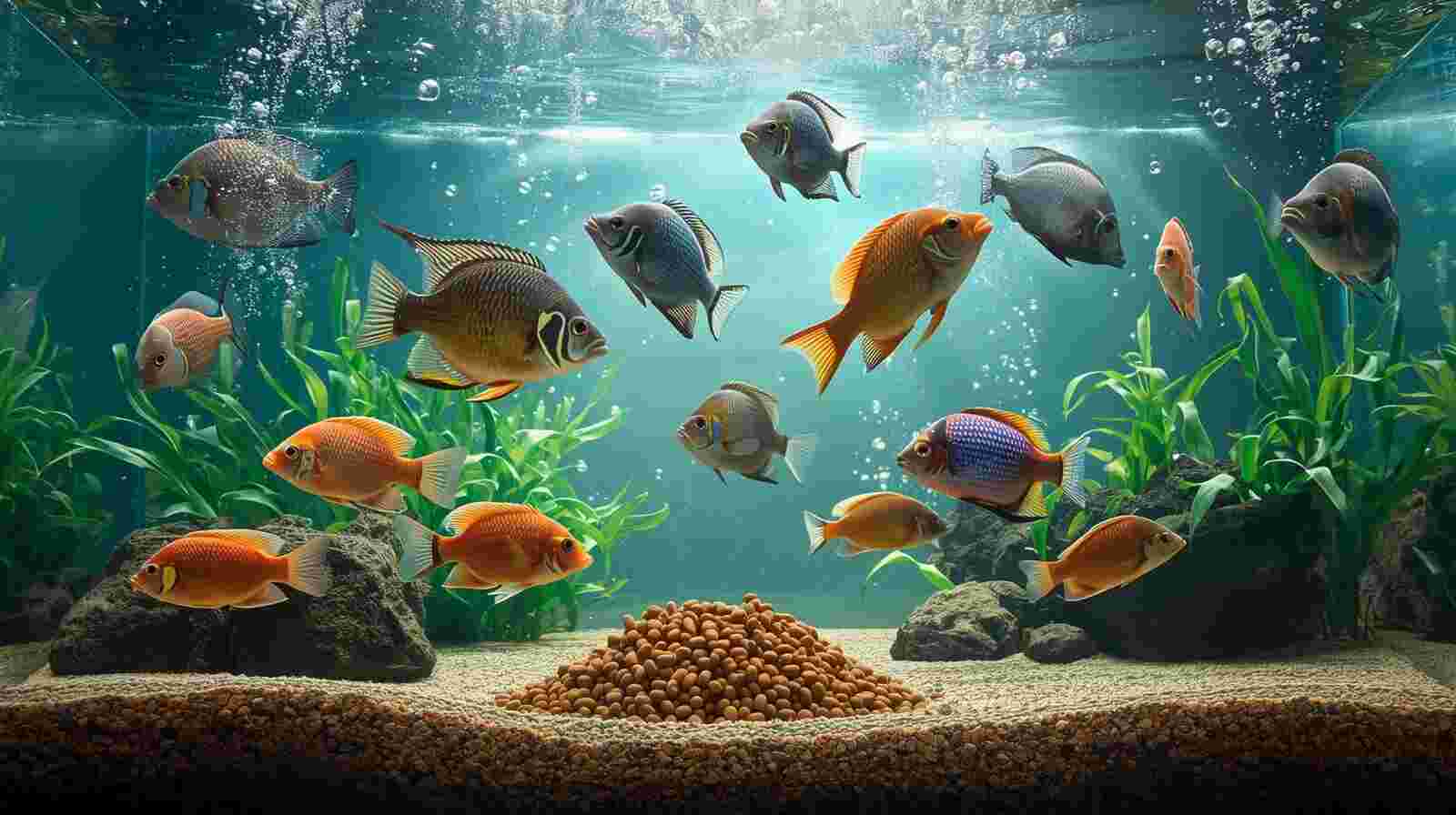
There’s something oddly peaceful about standing near a fish tank. The soft blur of bubbles, the gentle sway of plants, and that moment your fish swim up excitedly like puppies with fins just because you walked past. But here’s the thing nobody tells you when you buy your first tank: fish food is the real heartbeat of your aquarium.
I learned this the embarrassing way.
Years ago, I bought a cheap tub of flakes, tossed a random pinch into the tank, and walked away feeling like a responsible fish parent. A week later? My fish looked… tired. My water looked like chai. And let’s say the smell had opinions of its own.
Turns out, fish food isn’t “just fish food.”
It’s nutrition. It’s the water quality. It’s behavior. It’s mood.
It’s everything.
And if you’ve ever wondered, “Am I feeding my fish right?” You’ve come a long way since I began.
Table of Contents
What Fish Food Really Is (And What It Isn’t)
The Big Misunderstanding
Most new fish owners think food is… well, something that keeps fish alive, like a survival pellet.
But fish food is more like choosing between instant noodles and a balanced home-cooked meal. Sure, noodles keep you alive. But eat them twice a day for a month and watch what happens to your energy, skin, mood, and immune system.
Fish feel that too.
Different species need different nutrients: protein for carnivores, fiber for herbivores, a balanced diet for omnivores, and color-enhancing minerals if you want your fish actually to look like they’re supposed to.
Why One “Universal” Fish Food Doesn’t Exist
It’s a little like expecting one shampoo to work for curly, straight, oily, dry, colored, frizzy, and fragile hair all at once.
Not happening.
Your betta?
A dramatic, protein-loving, insect-snacking diva.
Your goldfish?
A hungry little vacuum cleaner with a vegetarian heart.
Your cichlids?
Bold, muscular creatures who need more protein than a gym bro.
See the difference?
Types of Fish Food (And Which One Makes Sense for You)
1. Flakes The ‘Starter Pack’
The “bread and butter” is flakes of fish food. Convenient, affordable, and easy to find.
But here’s a fun fact: flakes lose nutrients quickly once they touch water.
So if your fish take their sweet time nibbling, they’re basically eating wet paper.
Best for: small community fish (tetras, mollies, guppies).
2. Pellets The Upgrade
Pellets are like the upgraded version of flakes. More stable, more nutritious, and less messy.
Floating pellets make surface feeders happy.
Sinking pellets keep bottom-dwellers from feeling ignored.
Best for: bettas, cichlids, goldfish, and bottom feeders.
Anecdote Moment
My own betta once stared at me, yes, stared because I accidentally gave him sinking pellets. He hovered at the top like royalty, refusing to pick something off the floor. Fish have attitudes. You’ll see.
3. Freeze-Dried Food The Crunchy Treat
If fish had a version of chips or popcorn, freeze-dried food would be it.
Bloodworms, daphnia, krill, light, crunchy, and wildly exciting for fish.
You’ll see them dart faster, colors brighten, personality explode.
Best for: bettas, barbs, gouramis, and carnivores.
Tip: Soak freeze-dried foods before feeding to avoid bloating.
4. Frozen Food The Good Stuff
This is basically fish gourmet.
Packed with nutrients.
No fillers.
No nonsense.
Best for fish that need protein or variety.
Recommended for: arowanas, Oscars, bettas, and marine fish.
5. Live Food: The Natural Diet
Not everyone’s cup of tea, but fish LOVE it.
Brine shrimp, worms, feeder fish (for giants), mosquito larvae.
It’s how they eat in the wild, active hunting, natural stimulation.
But…
Live food can carry parasites, so buying from trusted sources matters.
6. Veggie-Based Food The Secret for Goldfish & Plecos
Herbivores need fiber. A lot of fiber.
If you’re feeding a pleco only algae wafers… your tank decoration might disappear soon. They’ll chew on driftwood, plants, anything.
Add: cucumber slices, blanched spinach, and peas.
It works wonders.
How Much Fish Food Is The Right Amount?
One of the biggest mistakes aquarium owners make?
Overfeeding.
Fish begging isn’t hunger; it’s instinct.
If fish learned to fake “I’m starving” Oscars, I promise they would.
Here’s a simple rule:
Feed only what they can finish in 30–40 seconds.
Anything more becomes tank pollution.
Too much food =
- cloudy water
- foul smell
- diseases
- algae growth
- clogged filters
- sad fish
Less food =
- cleaner water
- healthier fish
- longer lifespan
- better colors
Simple.
What Happens When You Feed the Wrong Fish Food
Ever seen a goldfish fed high-protein pellets?
It’s like giving a toddler 3 cups of coffee. Hyper, bloated, uncomfortable.
Or feeding a carnivore only flakes?
Watch the colors fade.
Or giving sinking pellets to top-level feeders?
They go hungry while the bottom fish have a feast.
Fish may not complain verbally, but their bodies tell the whole story.
Signs your fish food is wrong:
- dull colors
- lethargy
- leftover food
- bloating
- overeating
- fin issues
- weird swimming patterns
These are warning signs, not a fish personality quirk.
Choosing the Right Fish Food (A Friendly Expert’s Guide)
1. Look at Your Fish’s Mouth
Funny tip, but very true.
Mouth pointing upward?
Surface eater → floating pellets.
Mouth facing forward?
Mid-water eater → flakes, slow-sinking pellets.
Mouth angled downward?
Bottom feeder → sinking pellets, algae wafers.
2. Check the Ingredients
You want ingredients that sound like actual food:
- fish meal
- spirulina
- algae
- krill
- shrimp
- vegetables
- insects
Avoid foods where the first ingredient is:
- wheat
- corn
- rice
- soy
Those are fillers. Cheap, but useless.
3. Consider the Color of Your Fish
Bright-colored fish need carotenoids.
Herbivores need spirulina.
Carnivores need high-protein foods like krill or mealworms.
4. Think About Age
Baby fish (fry) need powdered, protein-rich foods.
Adults need balanced nutrition.
Senior fish need softer, easy-to-digest food.
Homemade Fish Food (For the Aquarists Who Love DIY)
Yes, you can make fish food at Home.
And it’s surprisingly fun.
Simple Recipe for Homemade Fish Gel Food
- Shrimp or fish fillet
- Spinach
- Spirulina
- Carrot
- Garlic (tiny amount)
- Gelatin
Blend, cook lightly, and freeze into cubes.
Your fish will go wild.
How Often Should You Feed Fish?
One or two small feedings per day are enough for most species.
Some prefer once daily.
Some bigger fish prefer eating every 2–3 days.
Some fry need multiple micro-meals.
Think of it like this:
Fish don’t have refrigerators in the wild.
They graze, hunt, nibble, not feast.
Common Myths About Fish Food
“More food = happier fish”
Nope. It equals more water changes.
“Fish can live only on flakes.”
Technically, yes, but they won’t thrive.
“Goldfish eat anything.”
True… and dangerous. They need veggies.
“Overfeeding is harmless.”
It’s the #1 cause of tank death.
A Small Story to Wrap It Up
I once met a hobbyist who fed his fish tiny homemade snacks shaped like mini tacos.
Not because the fish cared obviously, but because he said, “When I feed them well, the whole tank feels alive.”
And that’s really the heart of it.
Fish food isn’t just nutrition.
It’s a connection.
A little moment of care.
A small routine that brings an entire underwater world to life.
Feed your fish right, and your tank stops being just a tank.
It becomes a living, breathing, glittering slice of nature.